
Market cap of all cryptocurrencies
Play-to-earn (P2E) games, also known as GameFi, has emerged as an extremely popular category in the crypto space. It combines non-fungible tokens (NFT), in-game crypto tokens, decentralized finance (DeFi) elements and sometimes even metaverse applications leovegas bonus. Players have an opportunity to generate revenue by giving their time (and sometimes capital) and playing these games.
Cryptocurrency market capitalization (market cap) refers to the total value of a particular cryptocurrency that is currently in circulation. It is calculated by multiplying the current market price of a cryptocurrency by the total number of coins or tokens that have been issued. The total market capitalization of all cryptocurrencies for today is $3,482,941,265,573
At the time of writing, we estimate that there are more than 2 million pairs being traded, made up of coins, tokens and projects in the global coin market. As mentioned above, we have a due diligence process that we apply to new coins before they are listed. This process controls how many of the cryptocurrencies from the global market are represented on our site.
The total crypto market volume over the last 24 hours is $170.82B, which makes a 29.94% increase. The total volume in DeFi is currently $27.02B, 15.82% of the total crypto market 24-hour volume. The volume of all stable coins is now $159.66B, which is 93.47% of the total crypto market 24-hour volume.

All casinos accepting cryptocurrencies
Bitcoin Cash (BCH) is the “Hard Fork” of Bitcoin that inherits all of its power. It promises more stability, bigger block sizes, and faster transaction speeds. It was announced on August 1, 2017, and is still among the players’ most preferred crypto coins.
New players are greeted with attractive welcome bonuses, while loyal users benefit from ongoing promotions and a rewarding VIP program. With a user-friendly interface, diverse gaming options, and robust security measures, Betpanda delivers a seamless and engaging experience for both casino enthusiasts and sports betting fans.
It is an ethical approach to being fair and rational in every aspect. We prioritize this philosophy when qualifying and recommending cryptocurrency casinos. However, casinos and players should also understand the importance of applying this critical term.
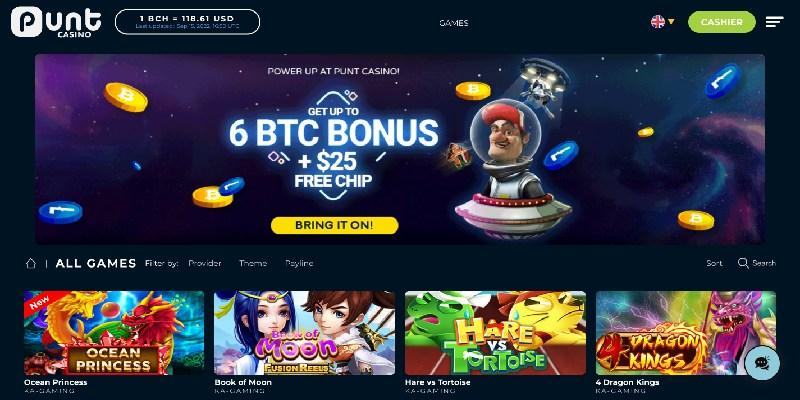
Bitcoin Cash (BCH) is the “Hard Fork” of Bitcoin that inherits all of its power. It promises more stability, bigger block sizes, and faster transaction speeds. It was announced on August 1, 2017, and is still among the players’ most preferred crypto coins.
New players are greeted with attractive welcome bonuses, while loyal users benefit from ongoing promotions and a rewarding VIP program. With a user-friendly interface, diverse gaming options, and robust security measures, Betpanda delivers a seamless and engaging experience for both casino enthusiasts and sports betting fans.
Do all cryptocurrencies use blockchain
In contrast, in a traditional database, if someone makes a mistake, it may be more likely to go through. In addition, every asset is individually identified and tracked on the blockchain ledger, so there is no chance of double spending it (like a person overdrawing their bank account, thereby spending money twice).
Many in the crypto space have expressed concerns about government regulation of cryptocurrencies. Several jurisdictions are tightening control over certain types of crypto and other virtual currencies. However, no regulations have yet been introduced that focus on restricting blockchain uses and development, only certain products created using it.
IOTA replaced the traditional blockchain-based distributed ledger with a so-called directed acyclic graph (DAG). The IOTA protocol operates with a DAG-based consensus algorithm which the IOTA team have termed Tangle. Though still in development, Tangle is eventually intended to work as a distributed ledger similar to blockchains, but with a unique twist. A trader who makes a transaction must confirm two random previous transactions. Each of these two will have validated two other transactions before, and so on. The end result is not that transactions are grouped into blocks and stored in a blockchain. Rather, it is a stream of individual transactions entangled together.
Since blockchains operate 24/7, people can make more efficient financial and asset transfers, especially internationally. They don’t need to wait days for a bank or a government agency to manually confirm everything.
Leave a Reply